Siem Reap
Siem Reap History and Its Attractions
Introduction to Siem Reap
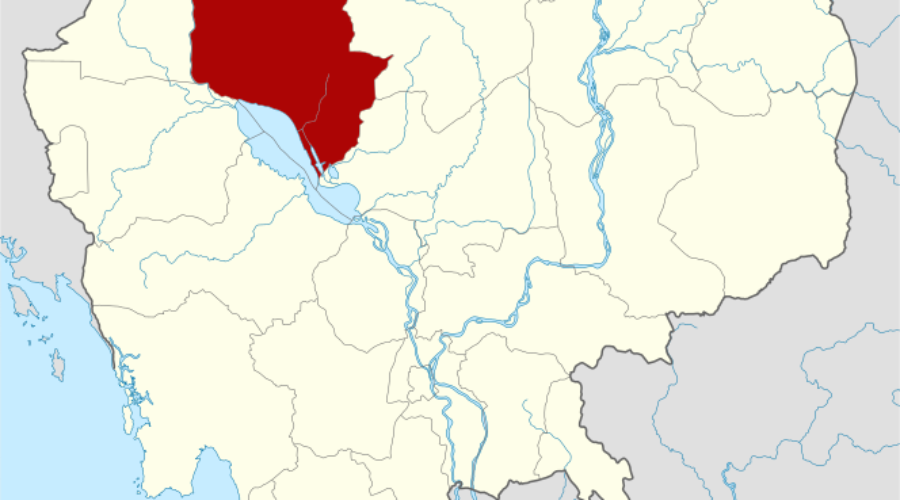
Siem Reap is one of Cambodia’s most fascinating and internationally recognized destinations. Located in northwestern Cambodia, it is best known as the gateway to the magnificent temples of Angkor, including the world-famous Angkor Wat. However, Siem Reap is much more than a destination for visiting ancient temples. It is a city rich in history, culture, religion, traditional lifestyles, natural beauty, food, entertainment, and warm Cambodian hospitality.
Today, Siem Reap welcomes visitors from around the world who come to discover the extraordinary legacy of the Khmer Empire. The province offers an unforgettable combination of ancient archaeological wonders, traditional villages, floating communities, beautiful countryside, sacred mountains, museums, local markets, cultural performances, and modern tourism facilities.
The name Siem Reap is deeply connected with Cambodia’s history, and the region has played an important role in the development and preservation of Khmer civilization for centuries.
1. The History of Siem Reap
The Meaning and Origin of the Name Siem Reap
The name Siem Reap is traditionally interpreted as meaning “Siam Defeated” or “Defeat of Siam.” The name is connected to historical memories and the long relationship between the Khmer and Siamese kingdoms.
However, the history behind the name and its exact origin has different interpretations. Regardless of its linguistic meaning, Siem Reap has become one of the most important historical and cultural regions in Cambodia.
Today, the name is recognized internationally as the home of Angkor Wat and the gateway to the ancient Khmer Empire.
2. Siem Reap During the Khmer Empire
The Rise of the Angkor Civilization
The most important period in the history of the Siem Reap region was the time of the Khmer Empire, especially between the 9th and 15th centuries.
During this period, the Angkor region became the center of one of the most powerful and advanced civilizations in Southeast Asia.
The ancient city of Angkor was located near present-day Siem Reap and served as the political, religious, cultural, and economic center of the Khmer Empire.
Khmer kings built enormous temples, reservoirs, canals, roads, hospitals, and religious monuments throughout the region.
The success of Angkor was supported by advanced water management systems. Large reservoirs, known as barays, and an extensive network of canals helped control and distribute water for agriculture.
This allowed the Khmer civilization to support a large population and develop into one of the greatest urban civilizations of the ancient world.
3. The Great Kings of Angkor
Many powerful Khmer kings contributed to the development of the Angkor region.
King Jayavarman II
King Jayavarman II is traditionally associated with the establishment of the Khmer Empire in the early 9th century.
His reign marked the beginning of a powerful period in Cambodian history that eventually led to the development of the great Angkor civilization.
King Yasovarman I
King Yasovarman I played an important role in developing the Angkor region as a major royal and religious center.
During his period, important infrastructure and religious monuments were developed around the ancient capital.
King Suryavarman II
King Suryavarman II ruled during the early 12th century and is most famous for the construction of Angkor Wat.
Angkor Wat became one of the greatest architectural achievements of the Khmer Empire and remains the most famous historical monument in Cambodia.
Originally dedicated to the Hindu god Vishnu, Angkor Wat demonstrates the extraordinary artistic, engineering, and religious achievements of the Khmer civilization.
King Jayavarman VII
King Jayavarman VII was one of the greatest and most influential rulers of the Khmer Empire.
During his reign in the late 12th and early 13th centuries, he built many important monuments and transformed Angkor into an extraordinary Buddhist capital.
Some of his greatest achievements include:
- Angkor Thom
- Bayon Temple
- Ta Prohm
- Preah Khan
- Neak Pean
- Banteay Kdei
King Jayavarman VII was also associated with the development of roads, hospitals, rest houses, and other public works.
His reign represents one of the greatest periods of construction and cultural development in the history of the Khmer Empire.
4. The Decline of Angkor
After centuries of greatness, the Khmer Empire gradually declined.
The reasons for the decline of Angkor were complex and likely involved several factors, including political conflicts, changes in trade and economic systems, environmental challenges, and difficulties in managing the enormous water system.
By the 15th century, the political center of Cambodia gradually moved away from Angkor toward other regions.
Although the great temples were no longer the center of a vast empire, many religious sites continued to be used and respected by local communities and Buddhist monks.
The ancient temples survived through the centuries and remained an important part of Cambodia’s cultural and spiritual heritage.
5. The Rediscovery and International Recognition of Angkor
During the modern period, international interest in the temples of Angkor increased.
Researchers, archaeologists, historians, and conservation specialists began studying the ancient monuments.
The preservation and restoration of the temples became increasingly important because many structures had suffered from natural weathering, vegetation growth, and centuries of environmental change.
Today, the Angkor Archaeological Park is internationally recognized as one of the world’s most important cultural heritage areas.
The ancient monuments continue to be studied and conserved by Cambodian authorities and international experts.
6. Siem Reap’s Development as a Tourism Destination
For many years, Siem Reap was a relatively quiet town surrounded by rural communities and rice fields.
As international tourism increased, Siem Reap gradually developed into Cambodia’s leading tourism destination.
Hotels, restaurants, cafés, transportation services, tour companies, markets, museums, and cultural attractions were developed to welcome visitors from around the world.
Despite modern development, Siem Reap continues to preserve much of its traditional Cambodian character.
Visitors can still experience:
- Traditional Khmer villages
- Rice fields and countryside
- Buddhist pagodas
- Local markets
- Traditional food
- Handicrafts
- Khmer dance and cultural performances
- Rural lifestyles
This combination of ancient heritage and modern tourism makes Siem Reap a unique destination.
7. The Main Attractions of Siem Reap
Angkor Wat
The Greatest Attraction in Siem Reap
Angkor Wat is the most famous attraction in Siem Reap and one of the most important historical monuments in the world.
Built during the reign of King Suryavarman II in the early 12th century, Angkor Wat was originally dedicated to the Hindu god Vishnu.
The temple represents Mount Meru, the sacred mountain believed in Hindu cosmology to be the home of the gods.
Its famous five towers symbolize the five peaks of Mount Meru.
Visitors can explore:
- The magnificent central towers
- The enormous moat
- The long stone causeway
- Detailed bas-reliefs
- Beautiful Apsara carvings
- Hindu mythology
- The upper central sanctuary
Angkor Wat is especially famous for its spectacular sunrise.
Angkor Thom
Angkor Thom was the last great capital of the Khmer Empire.
Built by King Jayavarman VII, it was a massive walled city with impressive gates, temples, palaces, and religious monuments.
The city is surrounded by walls and a moat.
Visitors entering Angkor Thom can see the famous gates decorated with giant stone faces and impressive statues.
Important attractions inside Angkor Thom include:
- Bayon Temple
- Baphuon Temple
- Terrace of the Elephants
- Terrace of the Leper King
- Royal Palace area
Bayon Temple
Bayon is one of the most mysterious and fascinating temples in Cambodia.
Located at the center of Angkor Thom, Bayon is famous for its enormous stone faces.
The temple contains many towers decorated with large, peaceful, smiling faces.
The exact meaning of these faces has been widely discussed, but they are often associated with Buddhist beliefs and the reign of King Jayavarman VII.
Bayon is also famous for its detailed bas-reliefs showing:
- Ancient Khmer battles
- Daily life
- Markets
- Fishing
- Religious ceremonies
- Historical events
Ta Prohm
Ta Prohm is one of the most atmospheric temples in the Angkor region.
Built during the reign of King Jayavarman VII, the temple became famous for the enormous trees and roots growing around and through the ancient stone structures.
The combination of nature and architecture creates a dramatic and unforgettable atmosphere.
Visitors can see:
- Giant tree roots
- Ancient stone galleries
- Mysterious corridors
- Carved doorways
- Jungle surroundings
Ta Prohm demonstrates how nature and ancient architecture can become closely connected over centuries.
Banteay Srei
Banteay Srei is one of the most beautiful temples near Siem Reap.
The temple is famous for its delicate and highly detailed carvings.
Constructed mainly from pink sandstone, Banteay Srei is smaller than Angkor Wat but is considered one of the greatest examples of Khmer artistic achievement.
Visitors are particularly attracted to:
- Pink sandstone architecture
- Fine decorative carvings
- Hindu mythology
- Beautiful rural surroundings
Because of its exceptional artistic quality, Banteay Srei is often described as a jewel of Khmer art.
Preah Khan Temple
Preah Khan is a large and fascinating temple complex built during the reign of King Jayavarman VII.
The temple contains long corridors, towers, carvings, and areas where nature has gradually grown around the ancient structures.
Preah Khan provides visitors with an exciting opportunity to explore a large temple with a mysterious and adventurous atmosphere.
Neak Pean
Neak Pean is a unique temple located on an artificial island surrounded by water.
The monument was connected with religious beliefs about healing and purification.
Its peaceful location and beautiful water surroundings make it different from many other temples in the Angkor region.
Phnom Bakheng
Phnom Bakheng is an ancient temple mountain located on a natural hill.
It is famous for its panoramic views of the surrounding Angkor landscape.
The temple is a popular location for visitors who want to enjoy the sunset and experience the beauty of the Angkor region from a higher viewpoint.
8. Kulen Mountain
Phnom Kulen National Park
Phnom Kulen is one of the most important natural and spiritual destinations near Siem Reap.
The mountain is considered sacred and has an important place in Khmer history.
Visitors can explore several attractions, including:
- Waterfalls
- The River of a Thousand Lingas
- A large reclining Buddha
- Ancient archaeological sites
- Forest landscapes
- Local villages
Kulen Waterfall
The Kulen Waterfall is one of the most popular natural attractions in the Siem Reap region.
Visitors can enjoy the beautiful scenery, relax near the water, and experience Cambodia’s natural environment.
The waterfall is particularly popular for day trips and provides a refreshing change from exploring ancient temples.
The River of a Thousand Lingas
The River of a Thousand Lingas contains ancient carvings created in the riverbed.
The carvings include Hindu religious symbols and represent the spiritual importance of the water.
This unique attraction combines history, religion, archaeology, and nature.
9. Tonle Sap Lake
Tonle Sap Lake is one of Cambodia’s most important natural areas.
The lake supports many communities that depend on fishing and water-based lifestyles.
Visitors from Siem Reap can take tours to explore floating and stilted villages near the lake.
Kampong Phluk Floating and Stilted Village
Kampong Phluk is one of the most popular communities to visit near Siem Reap.
The village is known for its impressive houses built on very tall stilts.
The height of the houses reflects the seasonal changes in the water level.
Visitors can experience:
- Traditional village life
- Stilted houses
- Boat trips
- Fishing communities
- Flooded forests during the appropriate season
- Beautiful views of Tonle Sap Lake
A boat trip around the village provides visitors with a fascinating view of how local communities adapt to life around the changing waters of the lake.
10. Siem Reap Countryside
One of the greatest attractions of Siem Reap is its beautiful countryside.
Outside the busy town and temple areas, visitors can discover traditional Cambodian landscapes.
The countryside includes:
- Rice fields
- Palm trees
- Traditional wooden houses
- Small villages
- Buddhist pagodas
- Local farms
- Water buffalo
- Rural markets
A countryside tour allows visitors to experience a different side of Siem Reap and learn more about everyday life in Cambodia.
11. Cambodian Culture and Traditional Dance
Siem Reap is an excellent place to experience traditional Khmer culture.
Visitors can enjoy cultural performances featuring classical Cambodian dance.
The famous Apsara dance is inspired by the celestial dancers carved on the walls of Angkor temples.
Traditional performances often include:
- Apsara dancing
- Classical Khmer dance
- Traditional music
- Cultural stories
- Cambodian costumes
These performances provide an entertaining and educational introduction to Cambodia’s rich artistic traditions.
12. Cambodian Food and Local Cuisine
Siem Reap offers visitors the opportunity to discover a wide variety of Cambodian food.
Traditional Khmer cuisine is known for its use of fresh herbs, vegetables, rice, fish, spices, and local ingredients.
Popular Cambodian dishes include:
- Fish Amok
- Beef Lok Lak
- Khmer Red Curry
- Fresh Spring Rolls
- Khmer Noodles
- Traditional Soups
- Grilled Fish
- Local desserts
Visitors can enjoy Cambodian food at local restaurants, traditional markets, modern restaurants, and countryside locations.
Food tours and cooking classes are also popular experiences.
13. Old Market and Local Shopping
The Old Market area is one of the most popular places for visitors to explore local shopping and food.
Visitors can find:
- Souvenirs
- Handicrafts
- Clothing
- Cambodian art
- Spices
- Local food
- Fresh products
Exploring local markets provides an opportunity to experience the daily commercial life of Siem Reap.
14. Pub Street and Evening Entertainment
Siem Reap is also known for its lively evening atmosphere.
The central entertainment area offers restaurants, cafés, bars, shops, and nightlife.
Visitors can enjoy a relaxing dinner after a day of exploring temples or experience the lively atmosphere of the town in the evening.
Siem Reap offers options for many different types of travelers, from quiet restaurants and traditional cultural experiences to more energetic nightlife.
15. Angkor National Museum
The Angkor National Museum provides visitors with an opportunity to learn more about the history, religion, and art of the Khmer Empire.
The museum helps visitors understand:
- The history of Angkor
- Khmer kings
- Hindu beliefs
- Buddhist traditions
- Ancient sculptures
- Khmer architecture
- Religious symbolism
A museum visit can be an excellent introduction before exploring the temples.
16. Cambodian Landmine Museum
The Cambodian Landmine Museum provides visitors with information about an important and difficult period of Cambodia’s modern history.
The museum focuses on landmine awareness and the impact that unexploded ordnance has had on Cambodian communities.
It also helps visitors understand the importance of clearance, education, and support for affected communities.
17. Art and Handicrafts
Siem Reap is an important center for Cambodian arts and handicrafts.
Visitors can discover traditional Khmer skills, including:
- Silk production
- Stone carving
- Wood carving
- Painting
- Traditional crafts
- Handmade souvenirs
Supporting local artisans can provide travelers with meaningful souvenirs while helping preserve traditional Cambodian skills.
18. Why Siem Reap Is a Special Destination
Siem Reap is special because it offers much more than one famous attraction.
Visitors can experience:
Ancient Civilization
Discover the magnificent history of the Khmer Empire and the extraordinary temples of Angkor.
Culture and Religion
Learn about Hindu and Buddhist traditions and experience Cambodian cultural practices.
Natural Beauty
Explore waterfalls, mountains, lakes, countryside, and forests.
Traditional Life
Visit villages, local communities, markets, and rural areas.
Food and Entertainment
Enjoy Cambodian cuisine, cultural performances, restaurants, cafés, and evening entertainment.
Warm Cambodian Hospitality
Meet local people and experience the friendliness and hospitality for which Cambodia is known.
Best Time to Explore Siem Reap
Siem Reap can be visited throughout the year, but the experience changes depending on the season.
The dry season is generally popular for exploring temples and outdoor attractions, while the rainy season brings greener landscapes and can create beautiful scenery around the temples and countryside.
Early morning and late afternoon are often excellent times for visiting outdoor attractions because the temperatures are generally more comfortable and the lighting is beautiful for photography.
Recommended Experiences in Siem Reap
A complete visit to Siem Reap should include a combination of history, culture, nature, and local experiences.
Some recommended activities include:
- Sunrise at Angkor Wat
- Exploring Angkor Thom and Bayon Temple
- Visiting Ta Prohm
- Discovering Banteay Srei
- Exploring Preah Khan and Neak Pean
- Watching sunset from a suitable viewpoint
- Visiting Phnom Kulen and its waterfalls
- Exploring Kampong Phluk and Tonle Sap Lake
- Enjoying Cambodian traditional dance
- Visiting museums
- Exploring local markets
- Discovering Cambodian cuisine
- Taking a countryside tour
- Visiting Buddhist pagodas and local communities
Conclusion: Why Visit Siem Reap?
Siem Reap is one of the most remarkable destinations in Southeast Asia. It is a place where ancient history and modern life exist side by side.
From the magnificent towers of Angkor Wat to the mysterious faces of Bayon, from the giant tree roots of Ta Prohm to the peaceful waters of Tonle Sap Lake, Siem Reap offers an incredible variety of experiences.
Visitors can walk through the remains of one of the world’s greatest ancient civilizations, discover beautiful temples, learn about Khmer history, enjoy traditional Cambodian culture, taste local food, explore peaceful countryside, and experience the natural beauty of Cambodia.
Siem Reap is not simply the gateway to Angkor Wat—it is the heart of Cambodia’s ancient heritage, a center of Khmer culture, and a destination filled with history, spirituality, nature, adventure, and unforgettable experiences.
For visitors who want to fully understand the history and attractions of Siem Reap, traveling with a professional English-speaking tour guide is highly recommended. A knowledgeable guide can explain the fascinating stories behind the temples, Khmer kings, religion, mythology, local traditions, and Cambodian culture, making every journey through Siem Reap more meaningful and memorable.
Explore Angkor. Discover Cambodia. Travel Your Way.
Angkor Transport Services
Private Transportation | Airport Transfers | Private Tours | Accessible Travel | Yoga & Wellness | Sunset Boat Experiences | Cambodia Journeys
Visit Angkor Transport Services
Let us help you discover Cambodia with confidence, comfort, and genuine local hospitality.
ATS Experiences:
- Airport & Transfer
- Accessible Travel
- Half Day Tours
- Private Tours
- Yoga Tours
- Sunset Boat Ride
- Multi-Day Journey
Plan Your Trip with Angkor Transport Services. Explore Cambodia your way with airport transfers, private tours, yoga tours, accessible travel, sunset boat ride and trusted transportation services.
Featured Services:
- Airport Welcome Transfer — SAI Airport to Siem Reap Hotel
- Private Transfer from Hotel in Siem Reap to SAI Airport
- Private Transfer from Hotel in Siem Reap to Hotel in Phnom Penh or Other Provinces
- Angkor Gondola Boat Ride – Sunset Experience at Tonle Om
- 2-Day Private Siem Reap Accessible Heritage & Cultural Experience
- 3-Day Private Siem Reap Yoga & Wellness Retreat
- 2-Day Premium Angkor Heritage & Kulen Spiritual Nature Experience (Indian Travelers)
- 3-Day Cambodia Signature Journey: Angkor Heritage, Phnom Kulen & Tonle Sap
- 2-Day Private Angkor Heritage & Phnom Kulen Experience
- Full Day Private Beng Mealea, Kampong Phluk & Tonle Sap Sunset Experience
- 2-Day Private Angkor Temples, Beng Mealea & Tonle Sap Experience
- Full Day Private Koh Ker & Beng Mealea Ancient Temple Experience
- Beyong Angkor: Banteay Srey & Beng Mealea Day Tour
- Half Day Private Kampong Phluk Village & Tonle Sap Sunset Experience
- Full Day Private Phnom Kulen Nature & Cultural Experience
- Full Day Private Angkor Grand Circuit & Sunset Experience
- Half Day Sunrise at Angkor Wat & Its Complex
- Full Day Private Angkor Temple Experience